Past Exhibition
- Home
- Exhibitions
- Past Exhibition
2016.8.13~2020.1.5
The Huangbo Tradition
A Special Exhibition of Calligraphy and Paintings by the Japanese Obaku's Zen Masters
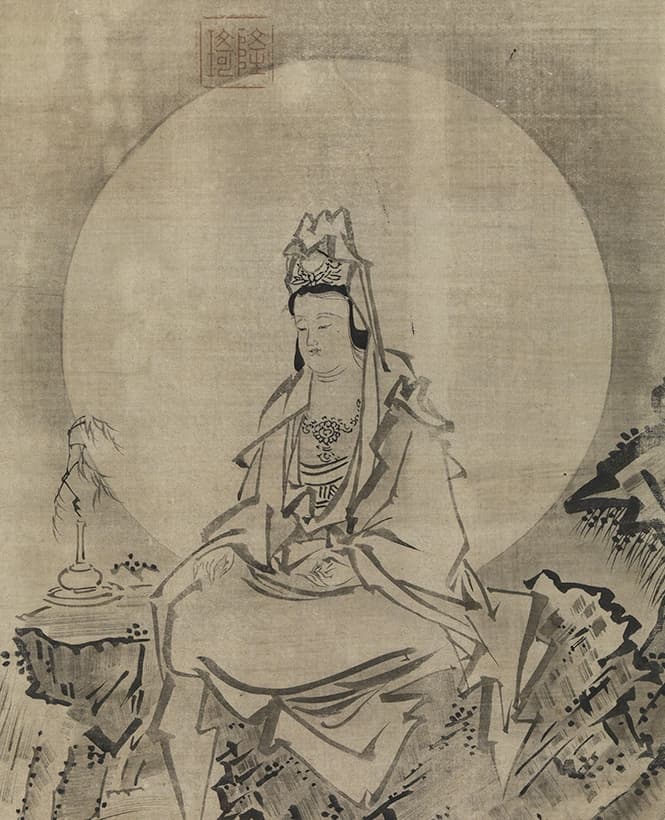
Current Special Exhibition: The Huangbo Tradition—Calligraphy and Paintings by the Japanese Obaku's Zen Masters Obaku (Huangbo in Chinese) is a sect in Japanese Zen Buddhism. Its founder was Master Yinyuan Longqi (Jap. Ingen Ryuki) (1592-1673), who was an abbot in China's Wanfu Temple on Mount Huangbo, Fujian province. In 1654, after being invited four times by Japan's Kofuku Temple in Nagasaki, the master went to Japan, where he established the Manpuku (Wanfu) Temple in Kyoto in 1661, which was named after the Mount Huangbo temple in China. There he taught Zen in the Chinese Linji lineage, which led to the founding of the Obaku Zen Buddhist sect in Japan. This gallery features the Obaku Zen masters' calligraphy and paintings from the Museum's collection. Brimming with the energy of liberated spirit, the brush works are all Zen flesh and bones.
Current Special Exhibition: The Huangbo Tradition—Calligraphy and Paintings by the Japanese Obaku's Zen Masters Obaku (Huangbo in Chinese) is a sect in Japanese Zen Buddhism. Its founder was Master Yinyuan Longqi (Jap. Ingen Ryuki) (1592-1673), who was an abbot in China's Wanfu Temple on Mount Huangbo, Fujian province. In 1654, after being invited four times by Japan's Kofuku Temple in Nagasaki, the master went to Japan, where he established the Manpuku (Wanfu) Temple in Kyoto in 1661, which was named after the Mount Huangbo temple in China. There he taught Zen in the Chinese Linji lineage, which led to the founding of the Obaku Zen Buddhist sect in Japan. This gallery features the Obaku Zen masters' calligraphy and paintings from the Museum's collection. Brimming with the energy of liberated spirit, the brush works are all Zen flesh and bones.
2013.11.2~2015.10.18
All Dharma Teachings Lead to the One Truth
Special Exhibit on Flourishing of Buddhist Sects in Sui and Tang Dynasties: Focus on Capital Chang'an
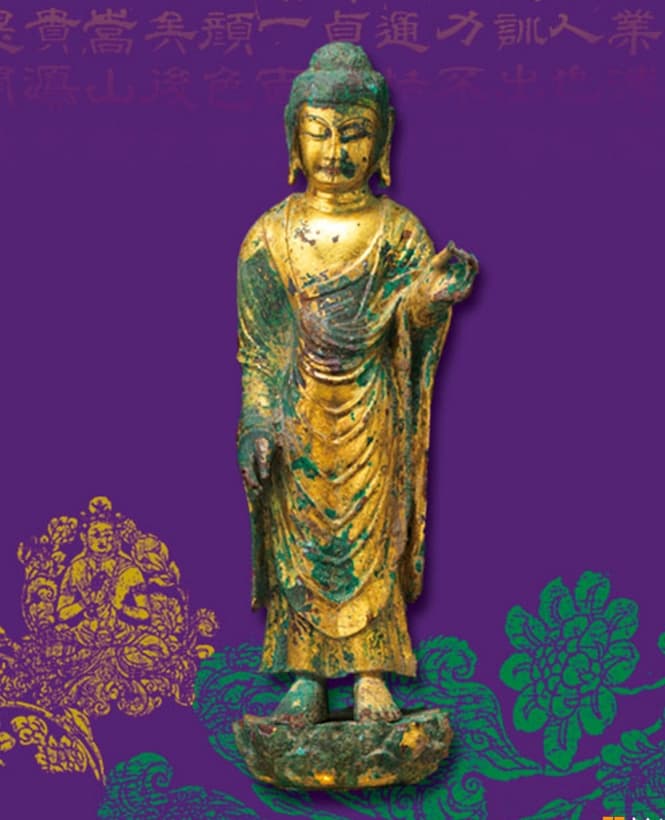
During the Sui and Tang period (late 6th-9th century), Mahayana Buddhism in China flourished into eight major schools: Three-Treatise, Tientai, Faxiang, Huayan (Avatamsaka), Vinaya, Esoteric, Pure Land and Chan (Zen). This special exhibition features stele rubbings related to these eight schools, as well as the practice of the fourfold assembly (Buddhist monks and nuns; male and female lay disciples) during this period. These rubbings, selected from the 1,273 titles presented to Chung Tai Chan Monastery from Xi'an Beilin Museum in China, along with Sui-Tang Buddhist artifacts, scriptures and historical records from our monastery collections, give us a montage of the age that witnessed the blooming and flourishing of the various Buddhist sects in China. "Just as precious jewels in the dark cannot be seen without light, so too the Buddha's teachings are difficult to understand even by the wise without being taught." Different Dharma teachings are Buddha's prescriptions to treat various afflictions and sufferings of sentient beings. They are compassionate expedient means to teach the one truth to all. The eight schools are the expedient means developed in China; they ultimately lead us back to the one truth—the true nature of our mind at the present moment.
During the Sui and Tang period (late 6th-9th century), Mahayana Buddhism in China flourished into eight major schools: Three-Treatise, Tientai, Faxiang, Huayan (Avatamsaka), Vinaya, Esoteric, Pure Land and Chan (Zen). This special exhibition features stele rubbings related to these eight schools, as well as the practice of the fourfold assembly (Buddhist monks and nuns; male and female lay disciples) during this period. These rubbings, selected from the 1,273 titles presented to Chung Tai Chan Monastery from Xi'an Beilin Museum in China, along with Sui-Tang Buddhist artifacts, scriptures and historical records from our monastery collections, give us a montage of the age that witnessed the blooming and flourishing of the various Buddhist sects in China. "Just as precious jewels in the dark cannot be seen without light, so too the Buddha's teachings are difficult to understand even by the wise without being taught." Different Dharma teachings are Buddha's prescriptions to treat various afflictions and sufferings of sentient beings. They are compassionate expedient means to teach the one truth to all. The eight schools are the expedient means developed in China; they ultimately lead us back to the one truth—the true nature of our mind at the present moment.
2010.9.18~2013.8.19
True Treasures in Stone and Ink
Stele Rubbings from Xi’ an Beilin Museum
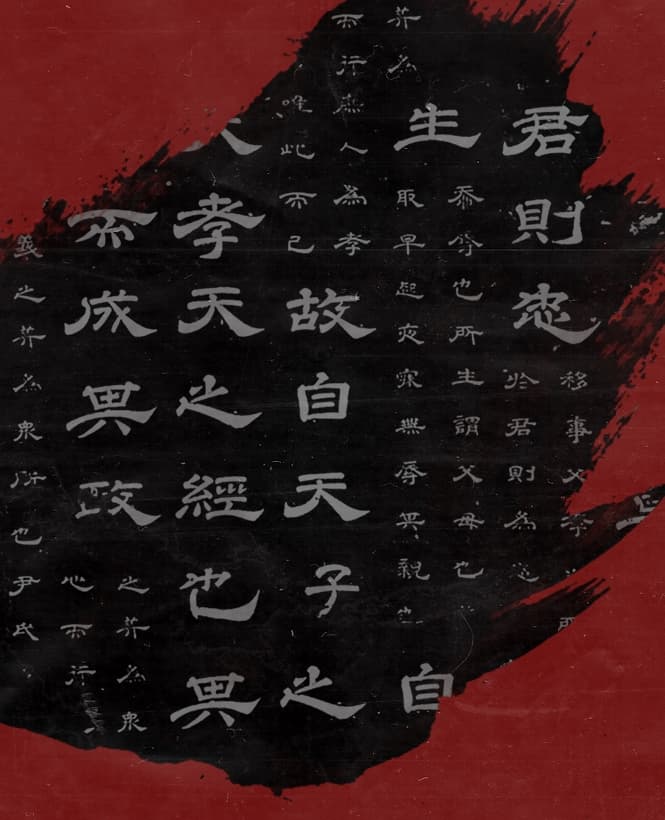
Xi'an Beilin Museum, China, was originally built in the year 1087 during the Northern Song dynasty. Today it has amassed more than 4,000 stone engravings spanning over 2,000 years in history. Gathering the quintessential elements of Chinese culture under one roof, Beilin has been recognized as "the precious repository of history and classics; the deep reservoir of calligraphy" at home or abroad. Showcased in this special exhibition are the most representative works of the thousand-plus pieces of stele rubbings presented as gift to Chung Tai Chan Monastery by the Xi'an Beilin Museum. The 108 titles in this exhibition include rubbings made from engraved stone Confucian classics, restoration records of Confucius temples, treatises on cultivation, masterworks by influential Chinese calligraphers, including Wang Xizhi (303-361), Ouyang Xun (557-641), Yan Zhenqing (709-785), Liu Gongquan (778-865) and the Qing Emperor Kangxi (r. 1662-1722), as well as Buddhist steles and epitaphs of the great Buddhist patriarchs. Distinguished titles include The Xiping Stone Classics (175), The Stele of the Preface to Sagely Teachings in Wang Xizhi's Calligraphy (672), The Nestorian Stele (781) and The Kaicheng Stone Classics (837). Most of the original steles are classified as national first-class cultural artifacts in China. Through the showcased stele calligraphy and arts, we can explore the origin and evolution of Chinese writing, and witness the true wisdom embodied in the thousand-year-old Chinese culture shining its precious light in this exhibition.
Xi'an Beilin Museum, China, was originally built in the year 1087 during the Northern Song dynasty. Today it has amassed more than 4,000 stone engravings spanning over 2,000 years in history. Gathering the quintessential elements of Chinese culture under one roof, Beilin has been recognized as "the precious repository of history and classics; the deep reservoir of calligraphy" at home or abroad. Showcased in this special exhibition are the most representative works of the thousand-plus pieces of stele rubbings presented as gift to Chung Tai Chan Monastery by the Xi'an Beilin Museum. The 108 titles in this exhibition include rubbings made from engraved stone Confucian classics, restoration records of Confucius temples, treatises on cultivation, masterworks by influential Chinese calligraphers, including Wang Xizhi (303-361), Ouyang Xun (557-641), Yan Zhenqing (709-785), Liu Gongquan (778-865) and the Qing Emperor Kangxi (r. 1662-1722), as well as Buddhist steles and epitaphs of the great Buddhist patriarchs. Distinguished titles include The Xiping Stone Classics (175), The Stele of the Preface to Sagely Teachings in Wang Xizhi's Calligraphy (672), The Nestorian Stele (781) and The Kaicheng Stone Classics (837). Most of the original steles are classified as national first-class cultural artifacts in China. Through the showcased stele calligraphy and arts, we can explore the origin and evolution of Chinese writing, and witness the true wisdom embodied in the thousand-year-old Chinese culture shining its precious light in this exhibition.
2010.5.1~2010.8.8
Offering the Misty Clouds
Buddhist Paintings, Chinese Paintings and Calligraphy from the Museum Collection
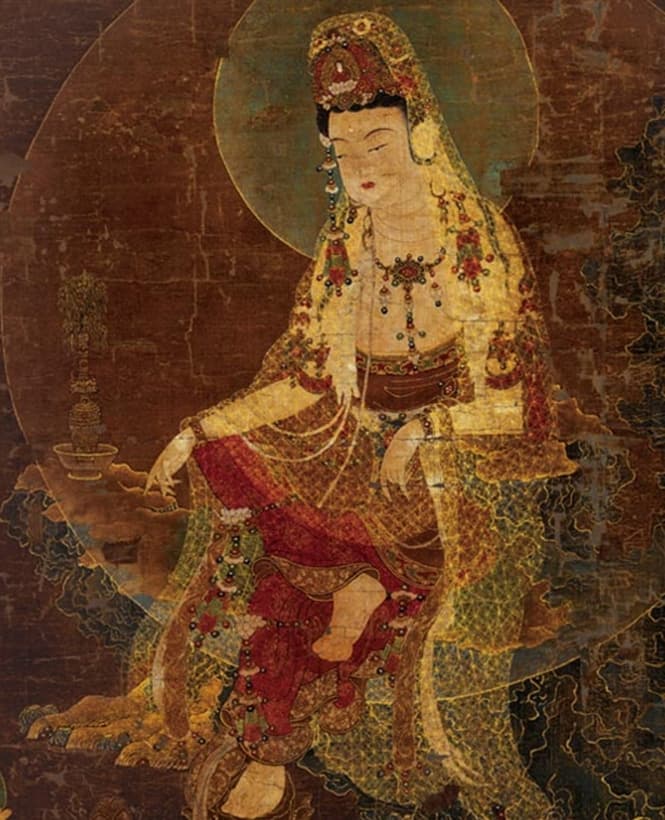
Chinese paintings and calligraphy have historically carried the core values, aspirations and faith of the Chinese people. With the expressive power of the twilight clouds and mountain mist, they stretch beyond their visual dimension to reveal the essence and spirit of the image that flows out from the intermingling of the brush and ink. Within the world opened up by the brush, ink, paper and inkstone, the painters and calligraphers stretch out their personal vision and lay out their present experience to the whole world like saintly offerings. In this sense, Chinese paintings and calligraphy embrace the spirit of giving and offering of the Bodhisattvas, who aspire to reach supreme enlightenment while helping all beings reach the same goal. From the Museum Collection, this exhibition showcases Buddhist paintings, Chinese paintings and calligraphy, including works from the famous early Taiwanese artists, and the creative tools found in the literati artist's studio. The displays span from the Five Dynasties (10th century) period right up to recent times. We invite you to come and experience the display of poise and self-mastery of the elegant Confucian artists throughout Chinese history.
Chinese paintings and calligraphy have historically carried the core values, aspirations and faith of the Chinese people. With the expressive power of the twilight clouds and mountain mist, they stretch beyond their visual dimension to reveal the essence and spirit of the image that flows out from the intermingling of the brush and ink. Within the world opened up by the brush, ink, paper and inkstone, the painters and calligraphers stretch out their personal vision and lay out their present experience to the whole world like saintly offerings. In this sense, Chinese paintings and calligraphy embrace the spirit of giving and offering of the Bodhisattvas, who aspire to reach supreme enlightenment while helping all beings reach the same goal. From the Museum Collection, this exhibition showcases Buddhist paintings, Chinese paintings and calligraphy, including works from the famous early Taiwanese artists, and the creative tools found in the literati artist's studio. The displays span from the Five Dynasties (10th century) period right up to recent times. We invite you to come and experience the display of poise and self-mastery of the elegant Confucian artists throughout Chinese history.
2009.10.3~2010.3.14
Heavenly Treasures Sprung from the Earth
Special Exhibition of Rare Artifacts from Zhejiang
To celebrate its grand opening and in partnership with Zhejiang Provincial Museum, Chung Tai Museum welcomes the public with a very special exhibition: Heavenly Treasures Sprung from the Earth: Soothing Art for the Mind from the Wuyue Kingdom. It showcases the exquisite cultural artifacts from the Wuyue Kingdom in the Five Dynasties period (907-978) in China, including unearthed artifacts from the ruins of Leifeng Pagoda and the cellar underneath the ruins, named the Underground Palace; more than 20 pieces of Ashoka Pagodas preserved in the Province of Zhejiang, China; the scrolls of Buddhist scripts from the Dunhuang Sutra Cave; and handwritten scriptures from Jiangnan, the southern part of the Yangtze Delta. A total of 110 artifacts are on display. The special exhibition takes place in the three theme galleries in the third floor of the museum. These exhibits will recreate exuberant scenes that will take you back in time to the flourishing era of Buddhism in the period of Wuyue Kingdom – a splendid experience! The special exhibition runs from October 3, 2009 to March 14, 2010. Don't miss this once-in-a-lifetime opportunity to witness these rare and spectacular historical treasures, and bring your friends and family along!
To celebrate its grand opening and in partnership with Zhejiang Provincial Museum, Chung Tai Museum welcomes the public with a very special exhibition: Heavenly Treasures Sprung from the Earth: Soothing Art for the Mind from the Wuyue Kingdom. It showcases the exquisite cultural artifacts from the Wuyue Kingdom in the Five Dynasties period (907-978) in China, including unearthed artifacts from the ruins of Leifeng Pagoda and the cellar underneath the ruins, named the Underground Palace; more than 20 pieces of Ashoka Pagodas preserved in the Province of Zhejiang, China; the scrolls of Buddhist scripts from the Dunhuang Sutra Cave; and handwritten scriptures from Jiangnan, the southern part of the Yangtze Delta. A total of 110 artifacts are on display. The special exhibition takes place in the three theme galleries in the third floor of the museum. These exhibits will recreate exuberant scenes that will take you back in time to the flourishing era of Buddhism in the period of Wuyue Kingdom – a splendid experience! The special exhibition runs from October 3, 2009 to March 14, 2010. Don't miss this once-in-a-lifetime opportunity to witness these rare and spectacular historical treasures, and bring your friends and family along!


.svg)