The Solemn Śarīra: the reliquary and the belief of parinirvana in the Liao and Jin Dynasty ---Wood Sculpture Gallery
- Home
- Learning
- Buddhist Art
- The Solemn Śarīra: the reliquary and the belief of parinirvana in the Liao and Jin Dynasty ---Wood Sculpture Gallery
The Solemn Śarīra: the reliquary and the belief of parinirvana in the Liao and Jin Dynasty ---Wood Sculpture Gallery
On January 9th, Chung Tai World Museum held the lecture, "The Solemn Śarīra: the reliquary and the belief of parinirvana in the Liao and Jin Dynasty" for Wood Sculpture Gallery's special exhibition, "Where the Heart Longs to Be." We had invited assistant professor, Jian Pei-Chi from the Chinese literature department at Providence University for the lecture focusing on the Buddhist belief in Liao and Jin dynasty and the change of worship to Buddha's relics.
This lecture was originally scheduled in 2020, however, due to the break of pandemic, it was postponed till 2021. On the day of the event, we followed the measures of pandemic prevention, by registering audiences' name, measuring their temperature, and planned a social-distanced seats in the lecture hall. In addition, we asked all audience, staffs and even the lecturer to wear a facemask during the whole session.
At the beginning of the lecture, Professor Jian introduces how Buddha's relic and stupa were derived, and explains that there are two types of Buddha's relic: one is the dharmakaya, which means the recorded teaching of the Buddha; the second, is the rūpakaya, which is Buddha's physical relic that remains from cremation. Moreover, rūpakaya is also the type of relic that people keeps in stupas for worship. When the stupas that contain Buddha's physical remains were introduced to China, the structure of the architecture and the idea of preserving the relic merged with the local funerary custom, and it transformed into tall pagodas with varied levels, or underground palaces that keep the relic, like the Temple Fa-men-si.
In the special exhibition, there is a sculpture of a reclined arhat. Different from the images of parinirvana in ancient India and Dunhuang, the arhat is wearing a rice-field robe. Professor Jian invites the audience to think about the chronology of how the type of reclining figures were developed in Buddhist art history. Later, she clarifies that from Song dynasty, within the thrive of Chan Buddhism (Zen in Japanese), the depiction of the arhats become more natural and realistic, and it was easy for ordinary people to engage with Buddhism. Therefore, this type of sculpture was mass produced. Moreover, with the history of Buddhist monk Xuanzang bringing the Buddha's relic to China, and the other Buddhist monk Buddha-pāla translated Uṣṇīṣa vijaya dhāraṇī sutra both in Tang dynasty, Buddhist monks became a much more important and respected figures in China. With the close relationship between the presentations of monks, arhats, Buddha, and Bodhisattvas, it encourages different figures overlapping in the same theme, and that is why we could see a sculpture of a reclined arhat, with his position normally seen on the theme of Buddha entering parinirvana.
The special exhibition, "Where the Heart Longs to Be" is going to end on February 14th, we welcome you to explore the history behind the Buddhist belief of Liao and Jin dynasty.
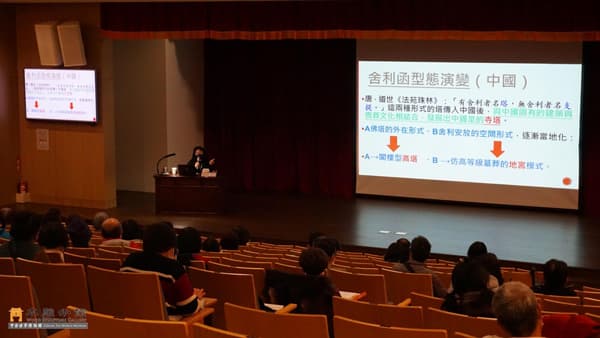
Professor Jian explaining how the stupas in India were transformed into pagodas in China.
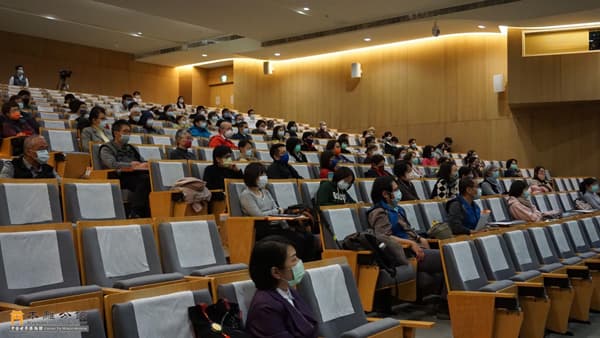
Professor Jian demonstrating the importance of stupas in India thorough the murals on Dunhuang Caves.
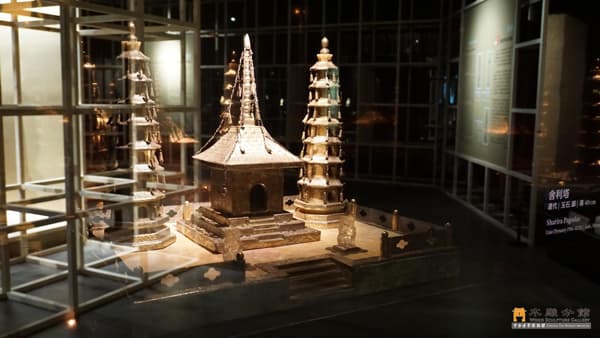
【Objects from the Exhibition】
Reliquary / Liao Dynasty916-1125 / jade and silver / 40 cm
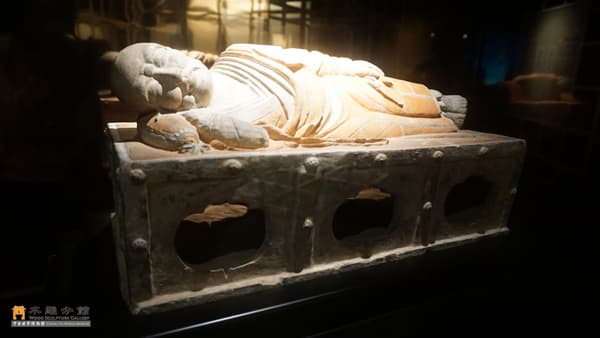
【Objects from the Exhibition】
Reclining Arhat / Liao Dynasty916-1125/ Colored clay / 20 cm


.svg)