2019 The Year of the Culture of Calligraphy and Stone Rubbings—"Where the Scent Leads Heart to" Incense Art Experiential Event
- Home
- Learning
- Buddhist Art
- 2019 The Year of the Culture of Calligraphy and Stone Rubbings—"Where the Scent Leads Heart to" Incense Art Experiential Event
2019 The Year of the Culture of Calligraphy and Stone Rubbings—"Where the Scent Leads Heart to" Incense Art Experiential Event
At the end of the year dedicated to "The Culture of Calligraphy and Stone Rubbings," the Chung Tai World Museum invited Teacher Ke Yan-yan from the Xinzhai Incense Art Education Center, for a demonstration of Incense Art. The event was held in front of the literati experiential corner at the Samadhi thatched cottage. The main purpose of this event was to relive the experiences of the literati as they prepared to compose poetry.
At the beginning of November, with the calligraphies from the famous painters in the Ming and Qing Dynasties, we prepared ourselves for this Incense Art event by understanding the intimate relationship between calligraphy and incense art. In addition to providing documents Teacher Ke also brought replicas of the ceremonial utensils to create an authentic experience for the audience. Such as "the duck-shaped plain sancai incense burner," "the gilt silver incense burner with roundel geese filigree in Tang style," and the three indispensable utensils that are used for incense burning. Overall, our goal was to create a multisensory experience to fulfill our soul with a feast of visual and scented enjoyment.
On the day of the event, when the guests entered the thatched cottage sat in front of the ceremonial settings, their expressions were imbued with excitement and curiosity. It was clear some of the audience joined the event for their interests in calligraphy and incense art, and some came for the spiritual experience. Within their religious beliefs, the incense art ceremony was an inspirational experience for audience to understand the mindset of the literati in the past.
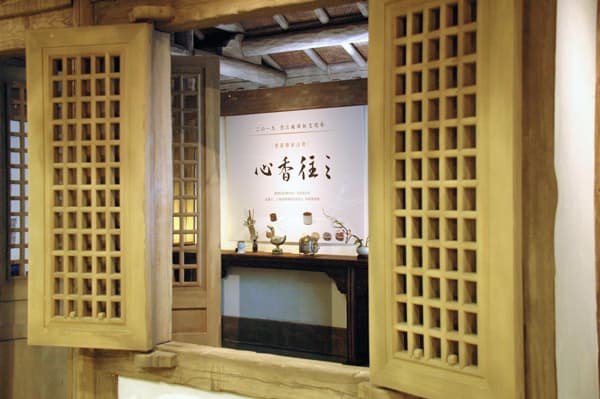
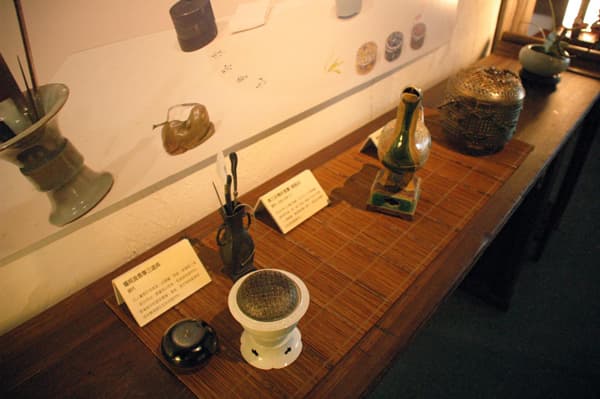
The ceremony of incense appreciation started with Teacher Ke's explanation of the essential knowledge on incense art, the etiquette and the process of the ceremony. For this event, Teacher Ke introduced to us three types of agarwood: Nha Trang(芽莊), Zhennahe(真那賀), and Fusen(福森). Nha Trang has a strong flowery fragrance, infused with touches of sweet and sour scents. On the other hand, Zhennahe has a creamy smell of a blend of woody and waxy scents. It provides layers of perceptions and the scent is distinguished. It is even a type of agarwood steeped with the energy of moonlights and stars. The last one, Fusen, is filled with flavorful earthy aroma that extracted from the essence of our land. During the event, the guests and the host exchanged their opinions and knowledge within the silent, focused atmosphere. It made this hour flew like an arrow and incredibly insatiable. At last, every audience was offered with one cup of agarwood water. The event left with them the lingering smell of the agarwood in their mouth and made this experience unforgettable.


Instead of terming this event an olfactory experience, it is more accurate to understand the event as a changing process of spiritual conditions. "The Four Virtues of Incense Appreciation" that the literati and calligraphers ought to pursue: purify one's the heart for the understanding of truth, learning the right judgements on aesthetics, improving one's cultivation, and reconcile one's body and mind. According to these virtues, the significance of Incense Art is not on the ceremonial actions, but on a more spiritual level.
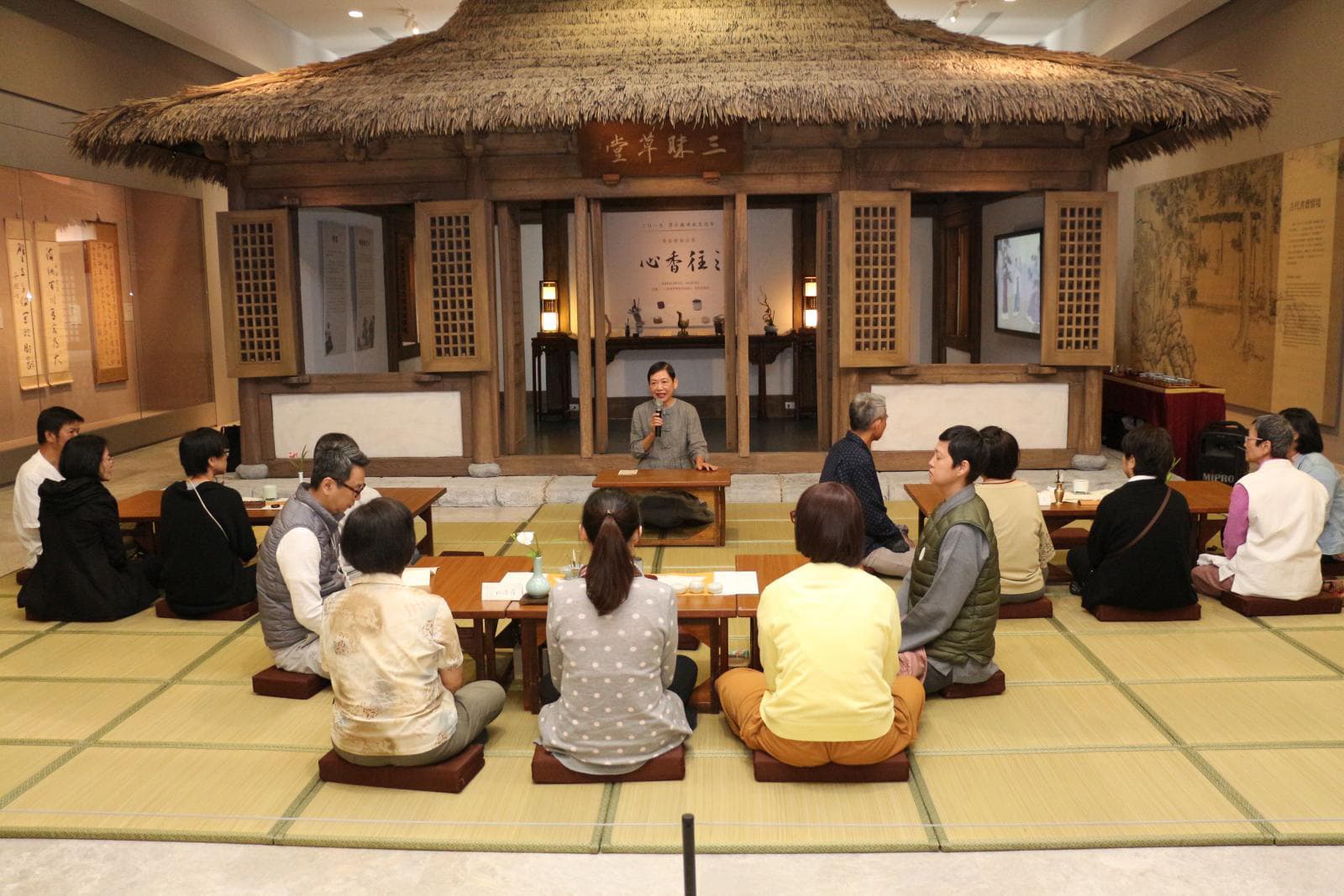
This event of Incense Art with the agarwood as the medium offered us the chance to relive the lifestyle of the literati. It was like a journey of time traveling that allows us to recall the moment before picking up the brush for the composition of calligraphy. What the incense conveys is the deep, mindful cultural spirit that we ought to understand.
Within the five senses immersive experience, the incense art activity in 2019 relieved our body and eased our mind.


.svg)